DOT inspections and compliance are critical for fleets operating commercial trucks, trailers, school buses, and heavy-duty equipment in Florida. Failing an inspection can result in fines, out-of-service orders, and unexpected downtime—directly impacting business operations. Understanding DOT requirements and maintaining vehicles proactively helps fleet owners stay compliant and avoid costly disruptions.
Why DOT Compliance Matters for Florida Fleets
Florida fleets face:
- Frequent roadside inspections
- Strict safety regulations
- High enforcement of vehicle condition standards
Non-compliance can quickly lead to lost revenue and damaged business reputation.
8 Key DOT Inspection & Compliance Areas
- Brake Systems – Proper brake performance, air lines, and components are mandatory.
- Lighting & Electrical Systems – Headlights, brake lights, turn signals, and reflectors must function correctly.
- Tires & Wheels – Adequate tread depth, proper inflation, and secure wheels are required.
- Steering & Suspension – Safe handling depends on well-maintained steering and suspension systems.
- Fluid Leaks – Oil, fuel, or coolant leaks can result in immediate inspection failure.
- Coupling Devices – Fifth wheels, kingpins, and safety chains must be secure and undamaged.
- Emergency Equipment – Fire extinguishers, warning triangles, and safety gear must be present.
- Maintenance Records – Accurate documentation is required to demonstrate compliance.
How Mobile Fleet Maintenance Supports DOT Compliance
Mobile inspections and repairs allow fleets to:
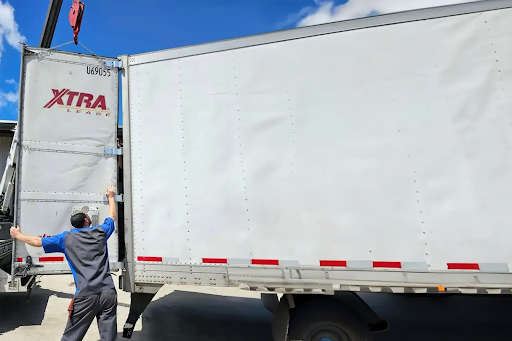
- Address violations before inspections
- Perform on-site compliance checks
Reduce failed inspections and downtime
Final Thoughts
DOT compliance is not optional. Proactive maintenance and regular inspections are essential for keeping Florida fleets legal, safe, and operational.